
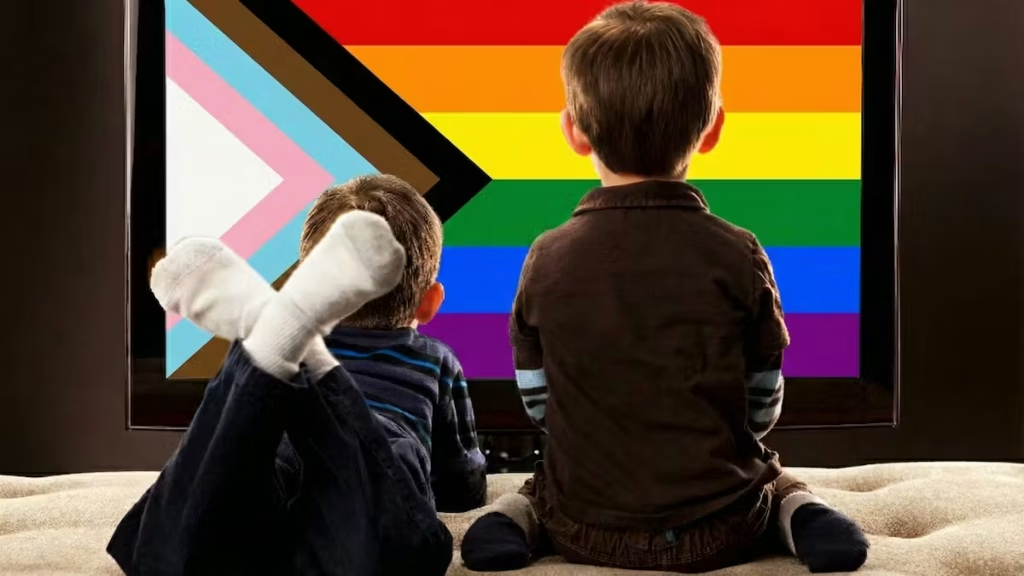
A new study examining Netflix Kids LGBT Themes claims that 41% of children’s programming on the platform includes LGBTQ characters or identity-related storylines. The findings have reignited debate among parents and advocacy groups over age-appropriate content in streaming media.
The study, released by Concerned Women for America (CWA), evaluated 326 Netflix series categorized as TV-G, TV-Y, and TV-Y7, genres of programming originally intended for general or young audiences. “About one-third of Netflix programming for children contains LGBTQ characters or themes,” the study claims. This number increases to 41 percent for both TV-G and TV-Y7.
The study also found that 21% of TV-Y programs include LGBTQ-related identity concepts.
How the Study Categorized Content
Researchers grouped LGBTQ themes into four classifications:
- Explicit: Openly identified LGBTQ characters
- Implied: Characters or storylines perceived as “queer-coded”
- Meta: LGBTQ family structures appearing in reality-style content
- None: No identifiable LGBTQ themes
The report cites The Magic School Bus Rides Again and Strawberry Shortcake: Berry in the Big City. Researchers say both feature transgender or non-binary characters.
The controversy intensified last year after users widely shared a clip from Dead End: Paranormal Park on social media. The animated series’ storyline features the main character announcing that he is transgender. The clip received considerable social media attention, including comments from entrepreneur Elon Musk.
Although some people considered this incident an isolated case, the report by the CWA contends that the representation of LGBTQ individuals in children’s content is part of a larger trend in the streaming media industry.
Concerns Over Ratings and Oversight
CWA President and CEO Penny Nance said the research surprised her, especially the findings related to preschool-targeted programming.
“I was most surprised that they targeted preschool children,” Nance said. She noted that many parents rely on rating systems to shield young viewers from age-inappropriate topics.
Nance argued that streaming platforms largely self-regulate content ratings, which she believes weakens safeguards for families. The bottom line is that the rating systems are not effective,” she said.
The report says LGBTQ representation rose sharply around 2021. During that time, many children stayed home due to the COVID-19 pandemic and consumed more digital content.
Netflix’s Diversity Commitments
In a report that was recently published, Netflix has highlighted their work on diversity and inclusion. In its 2023 diversity report, Netflix said more than half (52.4%) of its episodic content included LGBTQ+ characters. Those characters made up at least 10% of series regulars.
Those who support such inclusion believe that it is a reflection of the diversity of modern society. On the other hand, some critics have pointed out that the representation is not proportional to the actual data of the demographics of the country and also raises issues of age appropriateness for children.
According to Gallup data, the percentage of Gen Z who identify as LGBTQ+ has increased substantially in the past years, from 11% in 2017 to over 20% in 2023. The CWA report points out the coincidence of the timing of self-identification and media representation.
Reboots and Franchise Updates
The report also notes that producers have revamped several popular children’s television series in recent years, adding more LGBTQ characters and storylines. These include Magic School Bus, She-Ra, Power Rangers, and The Baby-Sitters Club.
Some people believe that these revamped series are different from the ones that they used to watch when they were children. They see it as a sign of a major cultural shift in how children’s stories are told.
On the other hand, supporters of these revamped series argue that children’s storytelling should reflect the realities of modern society.
What Parents Need to Know
Nance advises that parents need to be more proactive in reviewing streaming content, rather than simply relying on age ratings.
“Those days of simply checking the rating and feeling comfortable are over,” she said. “Families need to preview the content and look for platforms that fit their own values.”
The debate about children’s media, representation, and parental choice is likely to continue as streaming platforms continue to grow in reach and original content.
As streaming platforms compete for younger viewers, a broader question remains: where should society draw the line between inclusion, creative freedom, and parental authority?


